
Cutting Waste: Small Changes for Cleaner Factories

In today's world, the push for sustainability is more critical than ever. Factories, often seen as the backbone of production, are also significant contributors to waste and pollution. However, small changes can lead to substantial improvements in reducing waste and creating cleaner manufacturing environments. This blog post explores practical steps that factories can implement to cut waste and promote sustainability.
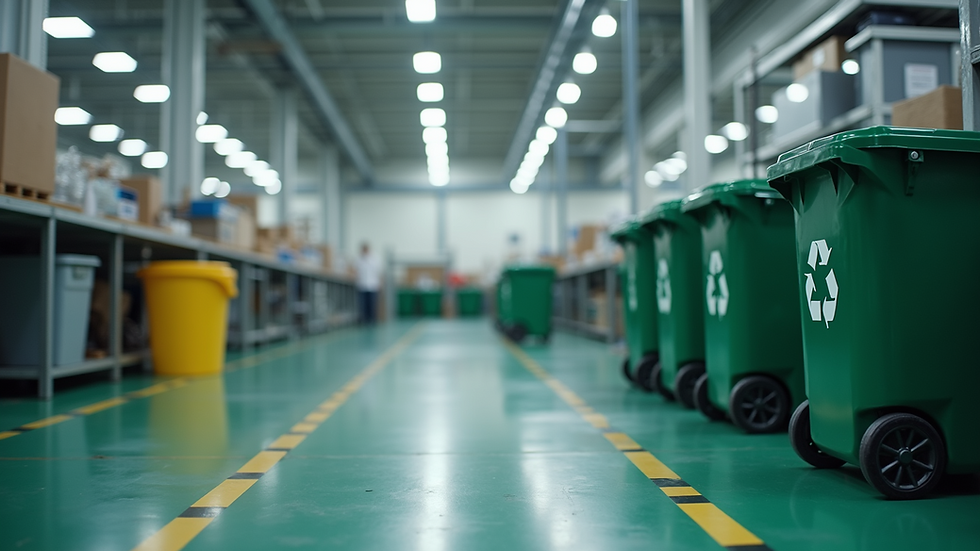
Understanding Waste in Factories
Before diving into solutions, it’s essential to understand the types of waste commonly found in factories. Waste can be categorized into several types:
Material Waste: Excess raw materials that are discarded during production.
Energy Waste: Inefficient use of energy resources, leading to higher consumption and costs.
Water Waste: Overuse or contamination of water resources during manufacturing processes.
Time Waste: Inefficient processes that lead to delays and increased operational costs.
Recognizing these waste types is the first step toward implementing effective waste reduction strategies.
Assessing Current Practices
To initiate change, factories must first assess their current practices. This involves:
Conducting a Waste Audit: Analyze the types and amounts of waste generated. This audit helps identify areas for improvement.
Engaging Employees: Involve staff in discussions about waste reduction. Employees often have valuable insights into inefficiencies.
Setting Clear Goals: Establish specific, measurable goals for waste reduction. For example, aim to reduce material waste by 20% within a year.
Implementing Small Changes
Once the assessment is complete, factories can begin implementing small changes that lead to significant waste reduction. Here are several actionable strategies:
1. Optimize Material Usage
Just-in-Time Inventory: Adopt a just-in-time inventory system to minimize excess materials. This approach reduces storage costs and waste.
Recycling and Reusing Materials: Implement a recycling program for scrap materials. For instance, metal scraps can often be melted down and reused in production.
2. Improve Energy Efficiency
Energy Audits: Conduct regular energy audits to identify areas where energy is wasted. This can include outdated machinery or inefficient lighting.
Upgrade Equipment: Invest in energy-efficient machinery and lighting. LED lights, for example, consume less energy and have a longer lifespan.
3. Reduce Water Consumption
Water Recycling Systems: Install systems that recycle water used in production processes. This can significantly reduce overall water consumption.
Regular Maintenance: Ensure that all plumbing and machinery are well-maintained to prevent leaks and unnecessary water waste.
4. Streamline Processes
Lean Manufacturing Principles: Implement lean manufacturing techniques to eliminate waste in production processes. This includes reducing unnecessary steps and improving workflow.
Training Programs: Provide training for employees on efficient practices and waste reduction techniques. Empowering staff with knowledge can lead to innovative solutions.
Monitoring Progress
After implementing changes, it’s crucial to monitor progress regularly. This can be done through:
Regular Waste Audits: Conduct follow-up audits to measure the effectiveness of implemented strategies.
Employee Feedback: Encourage ongoing feedback from employees about the changes. Their insights can help refine processes further.
Adjusting Goals: Based on monitoring results, adjust waste reduction goals as necessary to ensure continuous improvement.
Case Studies: Factories Leading the Way
Several factories have successfully implemented waste reduction strategies, serving as excellent examples for others to follow.
Example 1: Toyota
Toyota has long been a leader in waste reduction through its Toyota Production System (TPS). By focusing on lean manufacturing principles, Toyota has minimized waste in material, time, and energy. Their commitment to continuous improvement has led to significant cost savings and a cleaner production environment.
Example 2: Unilever
Unilever has set ambitious goals to halve its environmental footprint by 2030. The company has implemented various initiatives, including reducing water usage in manufacturing and increasing the use of renewable energy sources. Their efforts have resulted in a cleaner production process and a strong commitment to sustainability.
The Role of Technology
Technology plays a vital role in waste reduction. Factories can leverage various technological advancements to enhance efficiency and reduce waste:
IoT Sensors: Internet of Things (IoT) sensors can monitor equipment performance in real-time, identifying inefficiencies and potential issues before they lead to waste.
Data Analytics: Utilizing data analytics can help factories identify patterns in waste generation, allowing for targeted interventions.
Automation: Implementing automation in repetitive tasks can reduce human error and improve efficiency, leading to less waste.
Engaging the Workforce
A factory's workforce is its most valuable asset in the fight against waste. Engaging employees in sustainability efforts can lead to innovative solutions and a culture of responsibility. Here are some ways to involve staff:
Sustainability Committees: Form committees focused on sustainability initiatives. These groups can brainstorm ideas and lead projects aimed at waste reduction.
Incentive Programs: Create incentive programs that reward employees for suggesting and implementing waste reduction strategies.
Regular Training: Offer ongoing training sessions on sustainability practices and the importance of waste reduction.
Conclusion
Cutting waste in factories is not just an environmental necessity; it is also a smart business strategy. By implementing small changes, factories can significantly reduce waste, lower costs, and create a cleaner production environment. The journey towards sustainability begins with awareness and commitment, leading to a brighter future for both businesses and the planet.
As you consider these strategies, think about the specific changes your factory can implement today. Start small, monitor your progress, and engage your workforce in the process. Together, we can create cleaner factories and a more sustainable future.


Comments