
Enhancing Factory Safety with Sustainable Practices

In today's manufacturing landscape, safety and sustainability are no longer just buzzwords; they are essential components of a successful operation. Factories face numerous challenges, from maintaining worker safety to minimizing environmental impact. By integrating sustainable practices into safety protocols, factories can create a safer, more efficient, and environmentally friendly workplace. This blog post explores how sustainable practices can enhance factory safety, providing practical examples and actionable insights.

Understanding the Connection Between Safety and Sustainability
The Importance of Safety in Factories
Safety in factories is paramount. According to the Occupational Safety and Health Administration (OSHA), more than 4,500 workers die from workplace injuries each year in the United States alone. Common hazards include:
Slips, trips, and falls: Often caused by wet floors or cluttered workspaces.
Machinery accidents: Resulting from improper use or lack of safety guards.
Chemical exposure: Occurring when safety protocols for handling hazardous materials are not followed.
The Role of Sustainability
Sustainability in manufacturing involves using resources efficiently, reducing waste, and minimizing environmental impact. Sustainable practices can lead to:
Cost savings: Reducing energy consumption lowers utility bills.
Improved public image: Companies that prioritize sustainability attract environmentally conscious consumers.
Regulatory compliance: Meeting environmental regulations can prevent costly fines.
The Synergy Between Safety and Sustainability
Integrating sustainable practices into safety protocols can lead to a safer work environment. For example, using non-toxic materials reduces the risk of chemical exposure, while energy-efficient machinery can minimize the risk of accidents. By focusing on both safety and sustainability, factories can create a holistic approach that benefits workers and the environment.
Implementing Sustainable Practices for Enhanced Safety
1. Conducting a Safety and Sustainability Audit
Before implementing changes, it's essential to assess the current state of safety and sustainability in the factory. A comprehensive audit can identify areas for improvement. Key steps include:
Evaluating existing safety protocols: Review current safety measures and identify gaps.
Assessing environmental impact: Analyze energy consumption, waste generation, and resource use.
Engaging employees: Gather feedback from workers about safety concerns and suggestions for improvement.
2. Investing in Energy-Efficient Equipment
Upgrading to energy-efficient machinery not only reduces energy costs but also enhances safety. For example:
Smart sensors: These can detect potential hazards, such as overheating machinery, and alert workers before accidents occur.
Automated systems: Reducing human intervention in dangerous tasks minimizes the risk of injury.
3. Utilizing Non-Toxic Materials
Switching to non-toxic materials can significantly reduce health risks for workers. For instance:
Water-based paints and adhesives: These alternatives to solvent-based products emit fewer harmful fumes, improving air quality.
Biodegradable cleaning agents: Using eco-friendly cleaning products reduces chemical exposure and environmental impact.
4. Implementing Waste Reduction Programs
Waste reduction not only benefits the environment but also enhances safety. A cluttered workspace can lead to accidents. Consider these strategies:
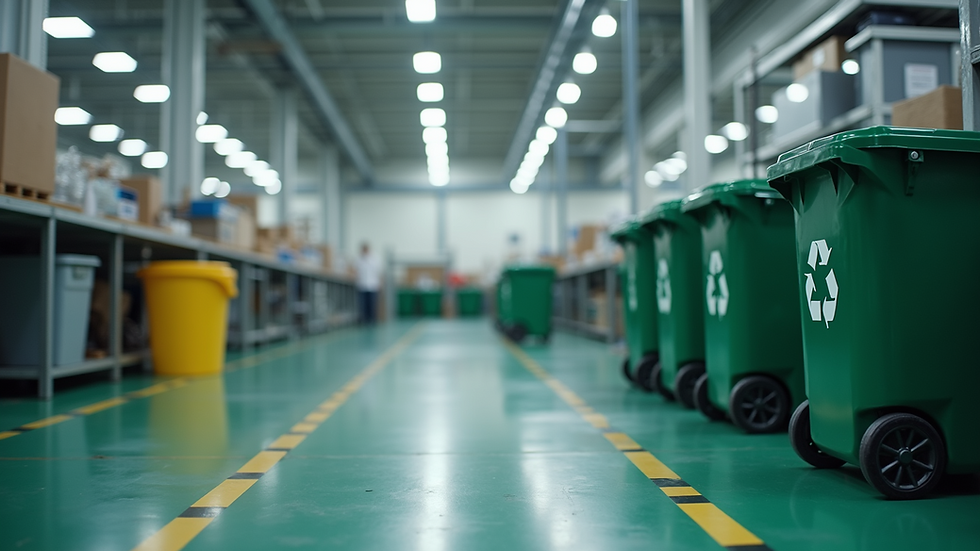
Recycling programs: Encourage employees to recycle materials, reducing clutter and promoting sustainability.
Lean manufacturing techniques: Streamlining processes can minimize waste and improve safety by creating a more organized workspace.
5. Training and Education
Educating employees about safety and sustainability is crucial. Regular training sessions can cover:
Safe handling of materials: Teach workers how to handle hazardous substances safely.
Sustainability practices: Inform employees about the importance of sustainability and how they can contribute.
Case Studies: Factories Leading the Way
Example 1: Tesla's Gigafactory
Tesla's Gigafactory in Nevada is a prime example of integrating safety and sustainability. The factory utilizes solar energy to power its operations, significantly reducing its carbon footprint. Additionally, Tesla has implemented strict safety protocols, including:
Regular safety drills: Ensuring all employees are prepared for emergencies.
Real-time monitoring systems: Detecting potential hazards and alerting workers immediately.
Example 2: Unilever's Sustainable Manufacturing
Unilever has committed to sustainable manufacturing practices across its factories. The company has reduced its greenhouse gas emissions by 70% per ton of production since 2008. Key initiatives include:
Water conservation: Implementing water-saving technologies to minimize waste.
Employee engagement: Involving workers in sustainability efforts, leading to a safer and more motivated workforce.
The Future of Factory Safety and Sustainability
As the manufacturing industry evolves, the integration of safety and sustainability will become increasingly important. Emerging technologies, such as artificial intelligence and the Internet of Things (IoT), will play a crucial role in enhancing safety protocols. For example:
Predictive maintenance: AI can analyze machinery performance data to predict failures before they occur, reducing the risk of accidents.
Wearable technology: Devices that monitor workers' health and safety can provide real-time feedback, ensuring a safer work environment.
Conclusion
Enhancing factory safety through sustainable practices is not just a trend; it is a necessity for modern manufacturing. By conducting audits, investing in energy-efficient equipment, utilizing non-toxic materials, implementing waste reduction programs, and providing training, factories can create a safer and more sustainable workplace. As we move forward, the synergy between safety and sustainability will be essential for the success of the manufacturing industry.
Take the first step today by evaluating your factory's current practices and identifying areas for improvement. The benefits of a safer, more sustainable workplace are clear, and the time to act is now.

Comments